
Rotating Gallery
JAMsj Rotating Gallery is a space to further explore Japanese American history, art and culture beyond our permanent gallery exhibits. Admission to the Rotating Gallery is included with normal admissions.
Now on display
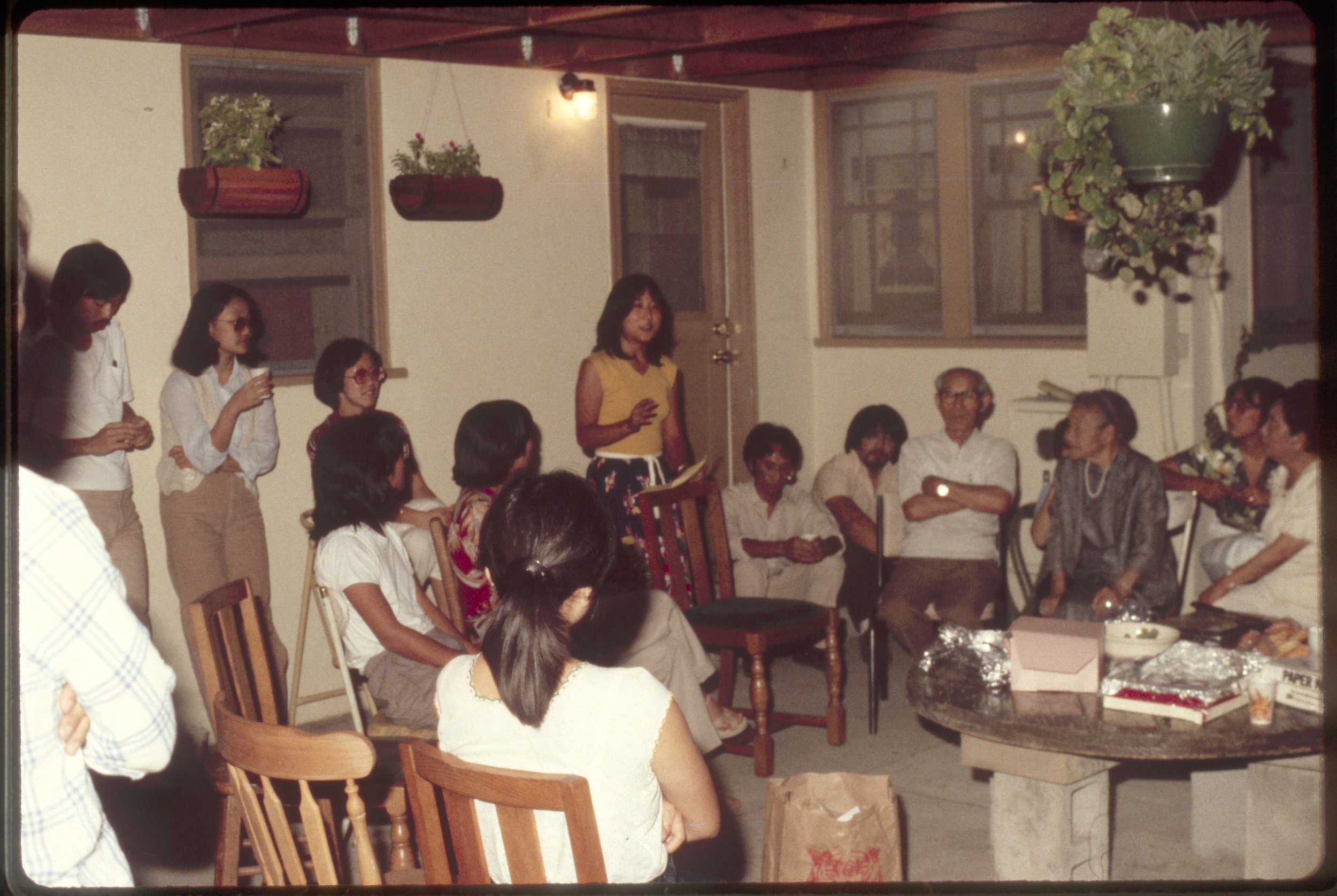
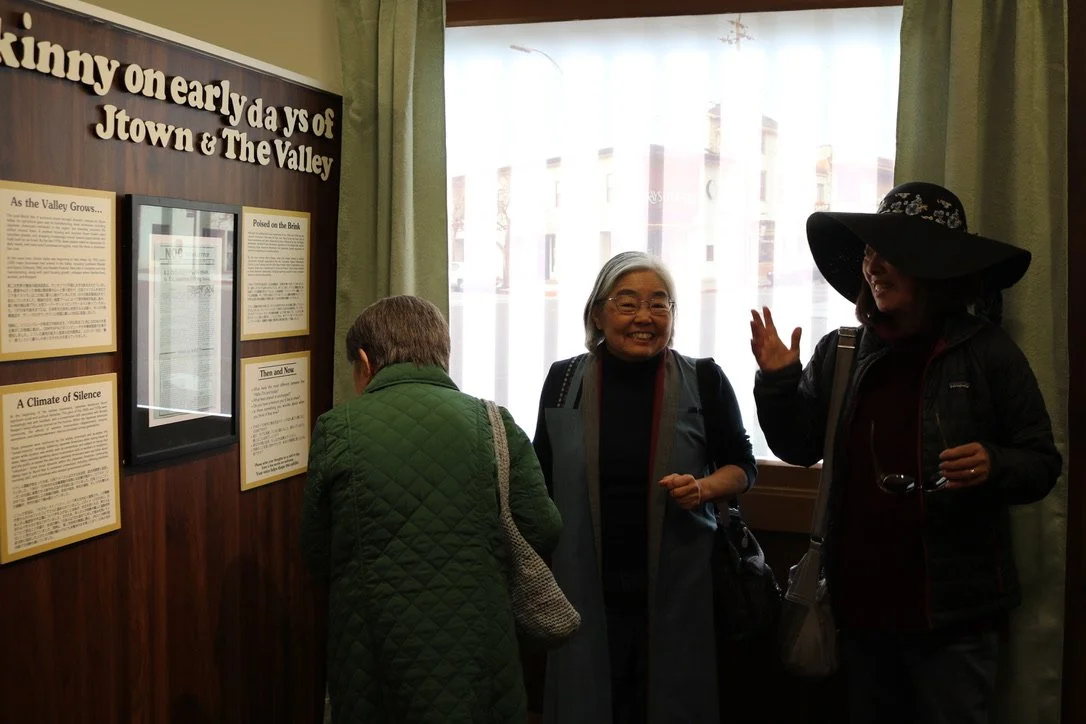
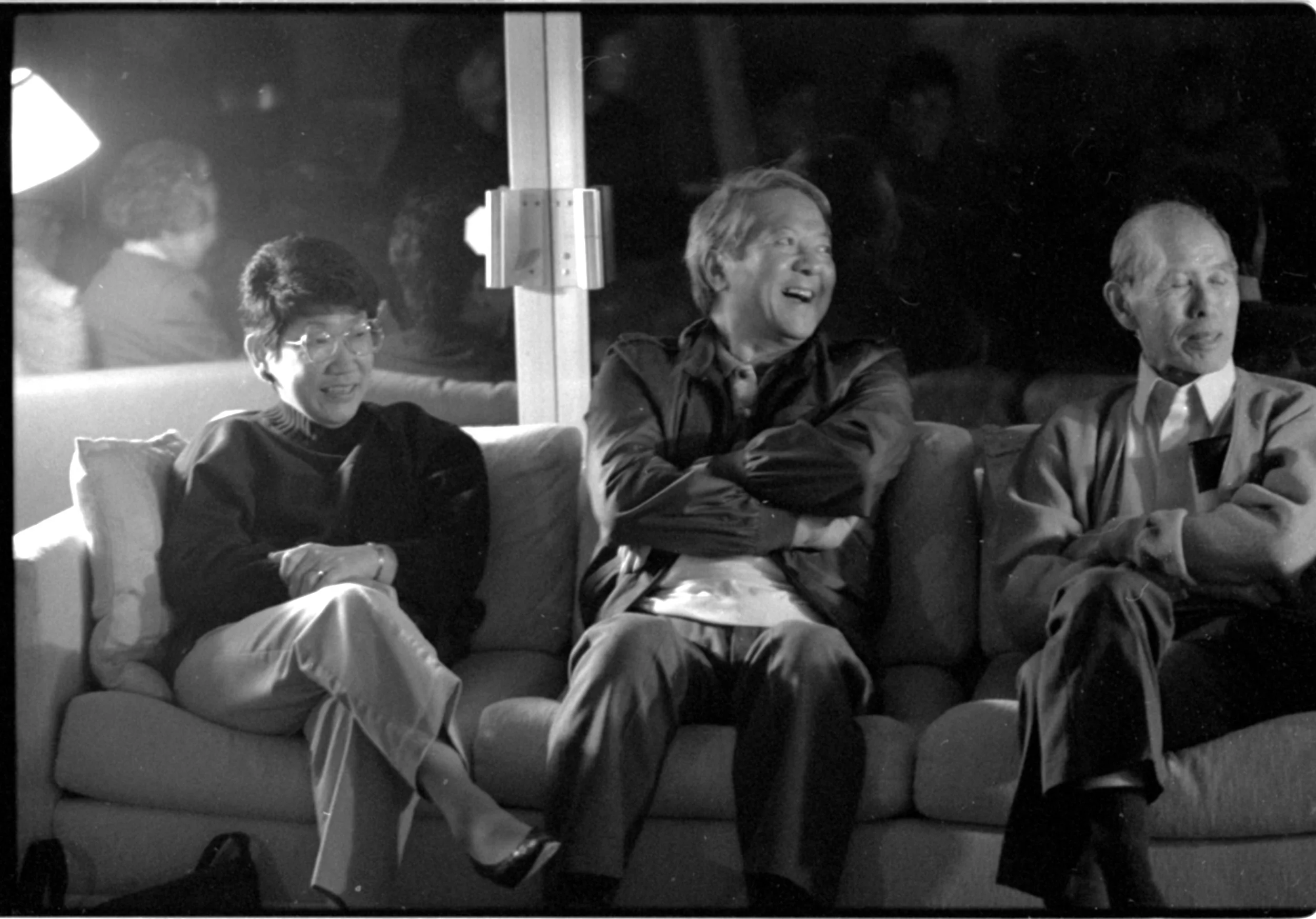
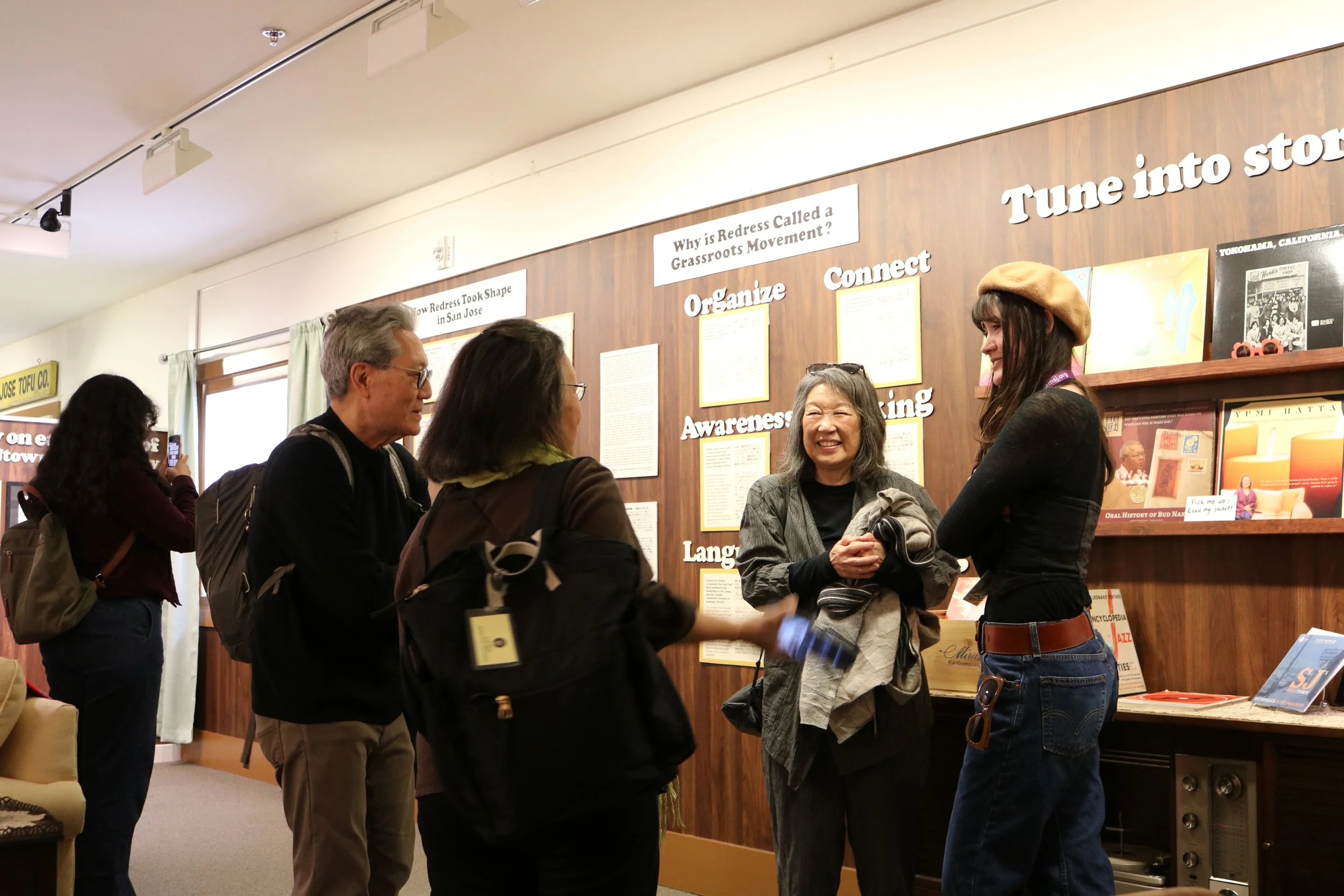
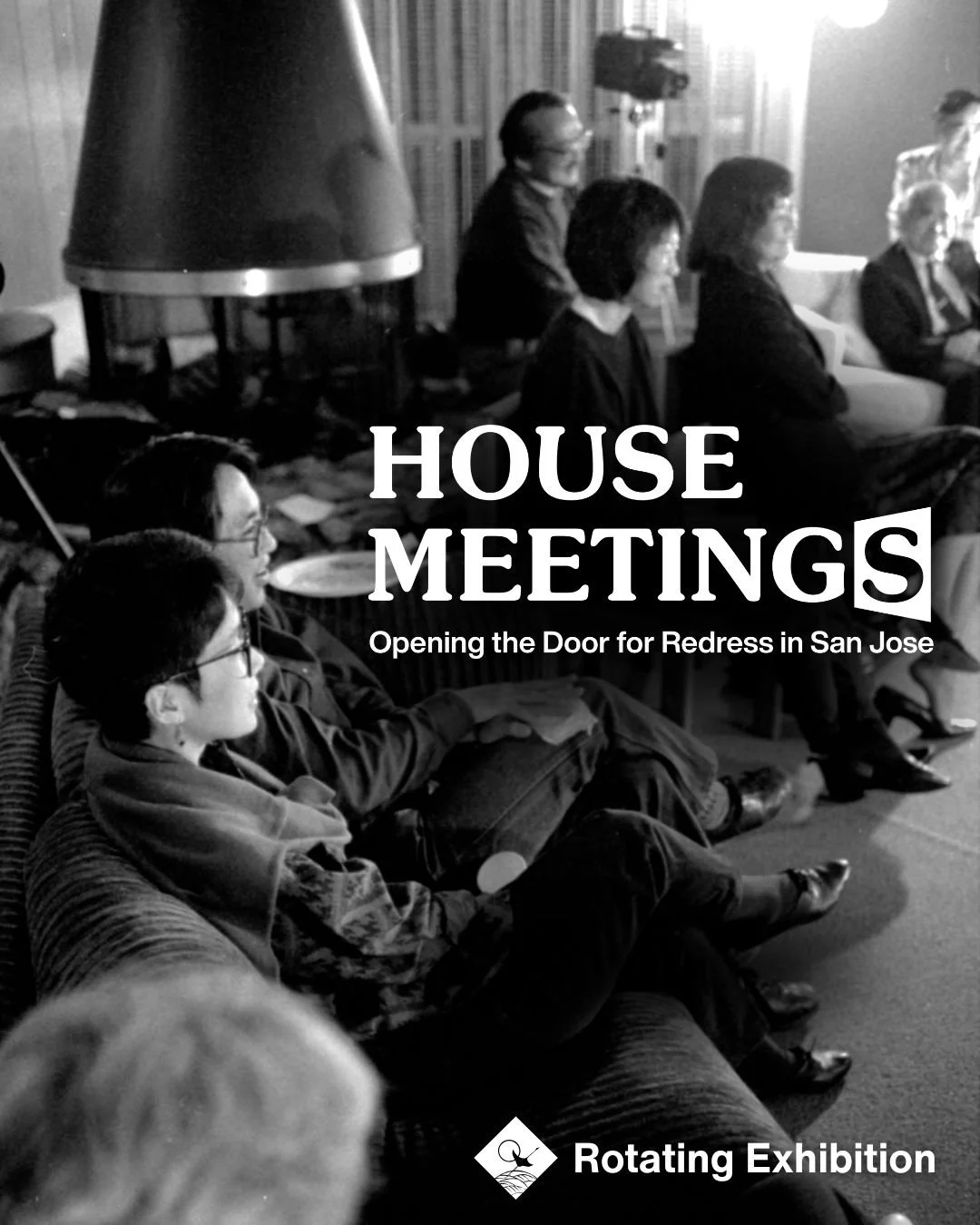
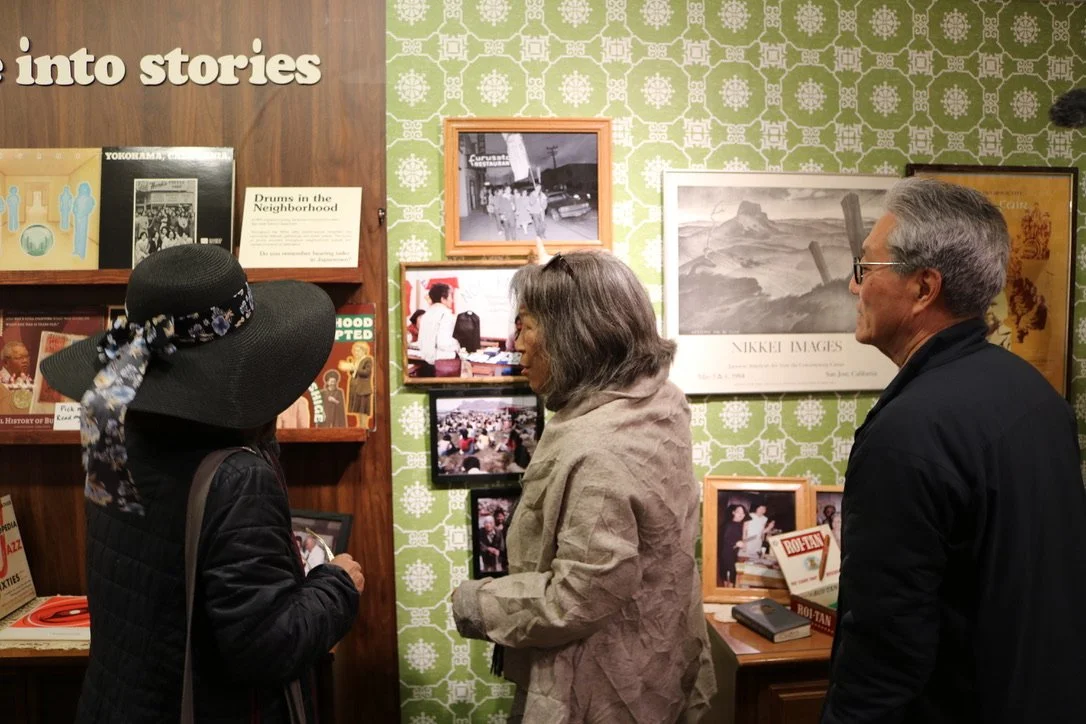
House Meeting(s): Opening the Door for Redress in San Jose
Our newest exhibit looks at the Japanese American redress movement through everyday places and the eyes of everyday people. The exhibit begins at home, where people gathered to start sharing experiences of wartime incarceration following decades of silence.
House meetings were informal gatherings held in people’s homes, bringing together friends, family, and community members in familiar settings. This space within the home was essential to the redress movement, where trust could be built before conversations moved beyond the home and into broader, more public settings in San Jose Japantown and beyond.
Past Rotating Exhibits

Yurika Chiba
中途半端 (Chūtohampa): Somewhere in Between
With a brush pen in hand and a timer set for fifteen minutes, Yurika Chiba lets the lines flow freely—guided more by feeling than by the pressure to make perfect art.
The works in this exhibition, created between 2020 and 2025, reflect her exploration of identity and memory, as well as the quiet healing she experiences through this daily practice. At their core, these pieces embrace the “in-between”—a space that may feel uncertain or undefined, yet holds its own strength.
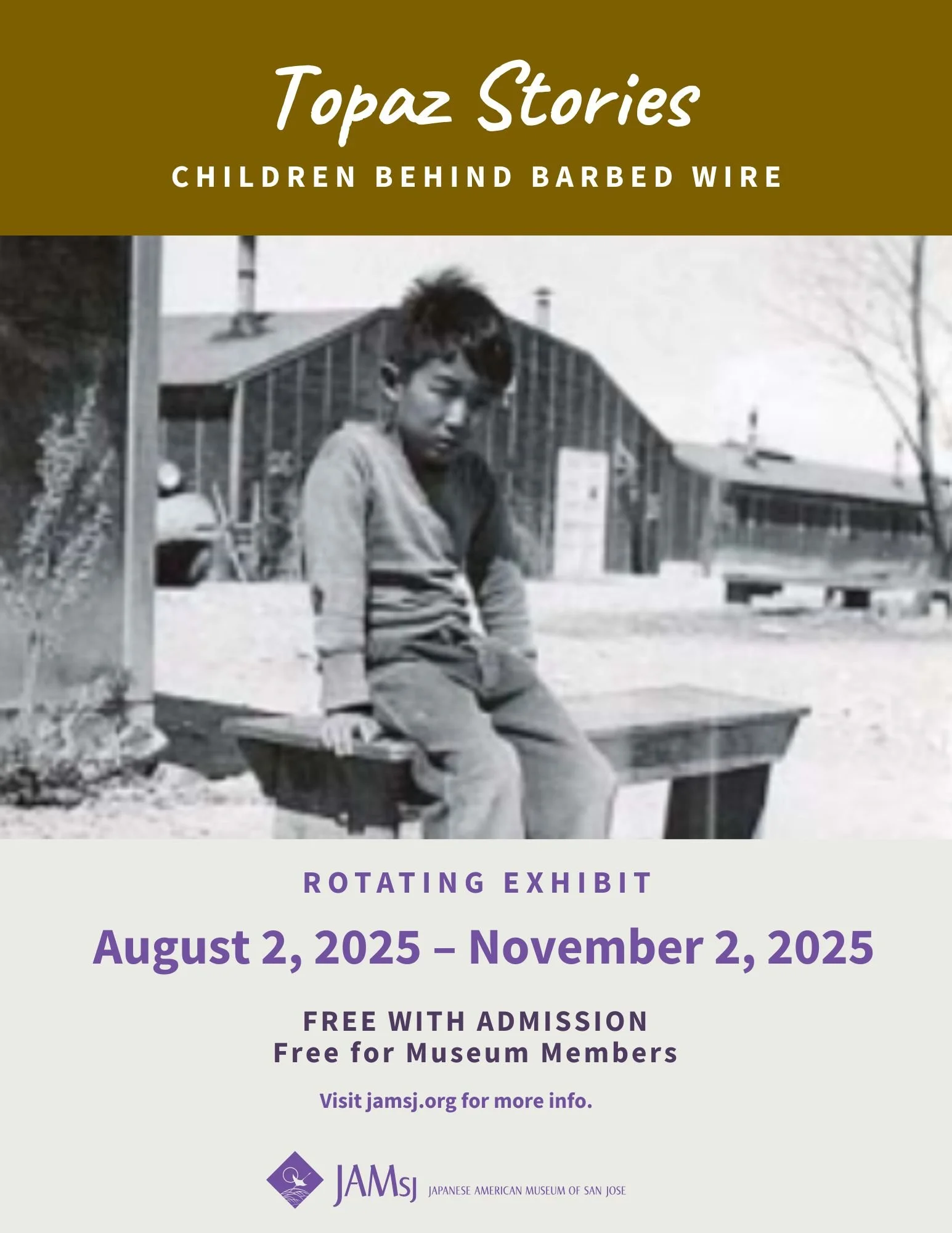
Topaz Stories: Children Behind Barbed Wire
About one-third of the 8-11,000 Japanese Americans imprisoned behind barbed wire in Topaz, Utah during WWII were children.
What was it like to be a child in a U.S. concentration camp? How did the experience impact later lives?
Created by the Friends of Topaz Museum, JAMsj is proud to present “Topaz Stories: Children Behind Barbed Wire,” an exhibit of 30 stories by and about those who were children or teens in camp.

二度と(NI DO TO): an XR pilgrimage is a transformative lobby experience of shared connection that journeys through ancestral joy, historical trauma, and community resilience with the narrative of Japanese American incarceration through various interactive technologies: film, hologram, video game, and visual art.

Letters From the Camps
Letters from the Camps is JAMsj’s first bilingual display, featuring translations and transcriptions of the original letters to ensure accessibility for all visitors. The exhibit immerses guests in the heartfelt stories of daily life at Tanforan, Tule Lake, and Topaz through the words of those who lived it.

Heinlenville Neighbors Series: Pinoytown from the 1920s-Late 1950s
Before it was Japantown, and after Heinlenville chinatown, there was a Filipino neighborhood on North Sixth Street. This exhibit offers a glimpse into this short-lived, forgotten part of what is now Japantown.
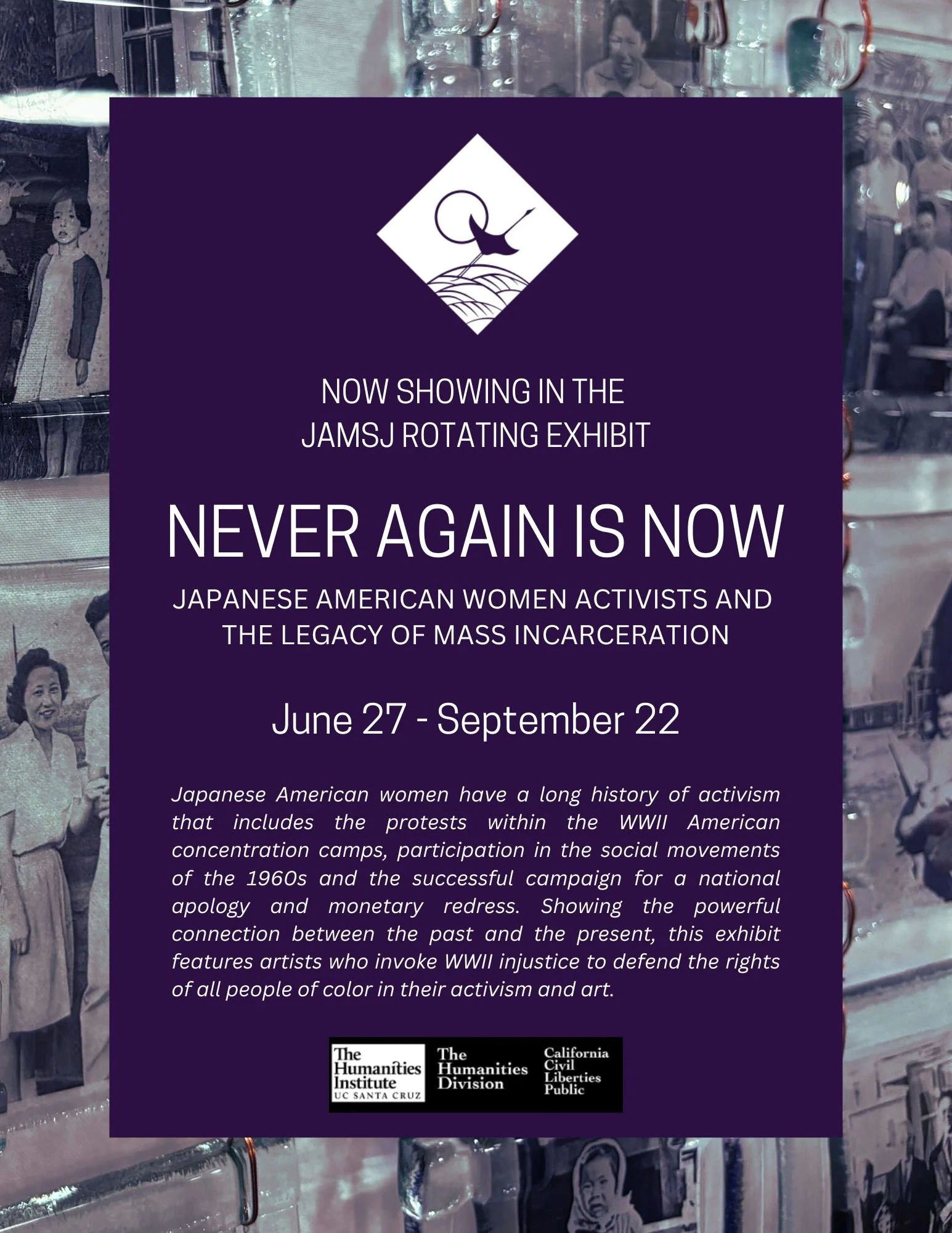
Never Again is Now: Japanese American Women Activists and the Legacy of Mass Incarceration
Japanese American women have a long history of activism that includes the protests within the WWII American concentration camps, participation in the social movements of the 1960s and the successful campaign for redress.

Taken From Their Families: Japanese American Incarceration on Angel Island During World War II
This exhibit featured stories from 24 individuals from Hawai’i and the West Coast who were incarcerated on Angel Island after December 7, 1941 and whose lives were forever changed.

Celebrating Kimono from Garment to Activism: Unspoken Communication
This exhibit explored the iconic Kimono- as a garment, a cultural symbol, and an expression of activism.

‘The Story Continues’: Celebrating JAMsj’s 35th Anniversary
Curated with memories, personal photos, and excerpts from past exhibits in the Rotating Gallery, "The Story Continues" chronicled 35 years of our history and the dedicated founders and volunteers who envisioned and established the Japanese American Museum of San Jose.